Brushless vs Brushed Drills: What's the Difference?
What brushed and brushless motors are, what you notice in use, and when brushless is worth paying for.
Look at any cordless drill range and you'll see two versions of the same tool: brushed and brushless. The brushless one costs more. Here's what the difference actually is, and when it's worth paying for.
1. What "brushed" means
A brushed motor uses small carbon blocks, called brushes, that rub on a spinning part of the motor to pass power to it. It's an old, simple and cheap design that has run power tools for decades.
The rubbing causes friction, heat and sparks inside the motor, and the brushes slowly wear down. On many tools they can be replaced when they're worn.
2. What "brushless" means
A brushless motor has no brushes. A small circuit board in the tool switches the power to the motor electronically instead. Nothing rubs, so there's less friction, less heat and nothing to wear out except the bearings.
Because the tool's electronics control the motor, a brushless tool can also adjust its power to the job, slowing down for light work and pushing harder when it meets resistance.
3. What you notice in use
- Run time: brushless motors waste less energy as heat, so you usually get more work from the same battery.
- Power for its size: brushless tools are often smaller and lighter for the same power.
- Heat: brushless tools run cooler under heavy, steady work.
- Life: with no brushes to wear, the motor itself usually lasts longer.
4. When brushed is still fine
For a home workshop where the drill comes out for a few holes and some screws on the weekend, a brushed drill does the job and saves money. The extra run time of brushless matters most when you drill and drive all day, or use big bits and long screws.
5. When brushless is worth it
- You use the tool most days or for long jobs.
- You use large holesaws, spade bits or long timber screws.
- You want a smaller, lighter tool that doesn't give up power.
- You want to get the most out of each battery.
6. Battery tips for either type
- A bigger pack (more Ah) runs longer and usually handles heavy work better than a small one.
- Let a hot pack cool before you put it on the charger.
- Check how long your pack should last with our Pack Runtime calculator.
Not sure which drill type you need? See Drill Driver vs Impact Driver vs Hammer Drill.
Handy gear


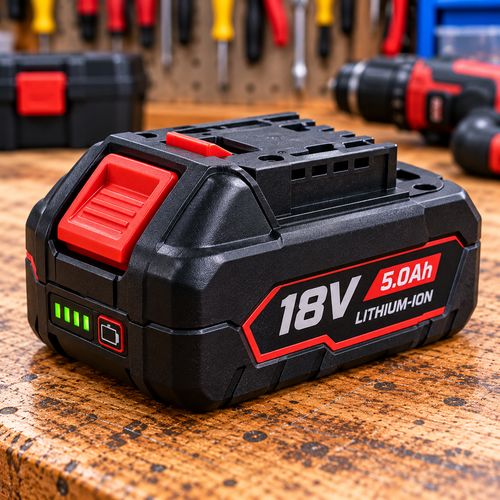
As an Amazon Associate I earn from qualifying purchases. Prices and availability are shown on Amazon.
Related guides

Drill Driver vs Impact Driver vs Hammer Drill
What each one is built for, and which one to buy first for your workshop.
Read guide →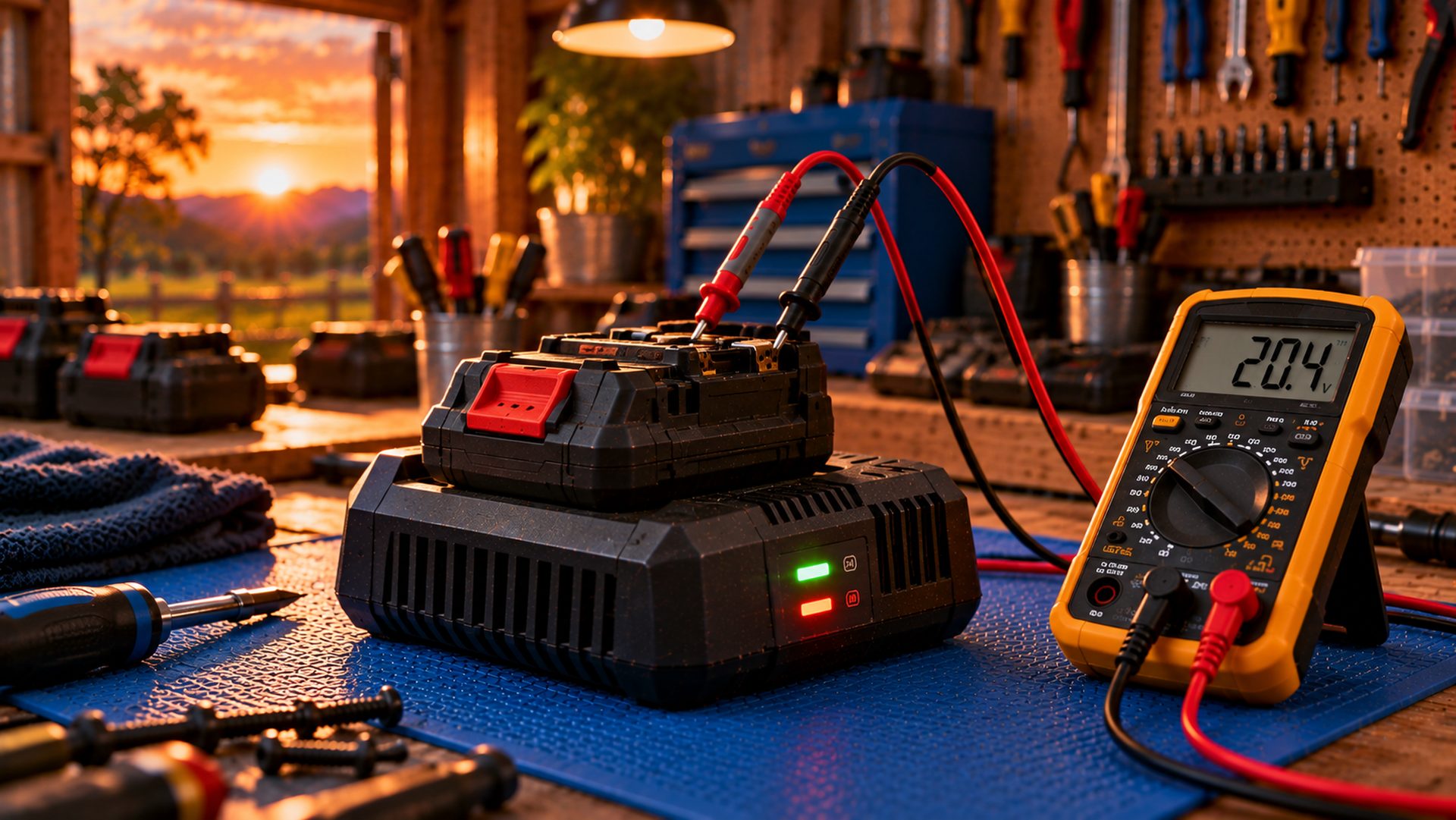
Why Won't My Cordless Battery Charge?
A step-by-step check of the charger, the contacts and the pack voltage, so you know where the fault really is.
Read guide →