Guides / Cells & Pack Rebuilds
Is a Battery Pack Rebuild Worth It?
What's inside a tool pack, what a rebuild involves, and when it makes sense to rebuild, replace or recycle.
Replacing the cells in a cordless tool pack can save money and keep a good case and tool in use. It also carries real fire risk if it's done badly. This guide helps you decide before you open anything.
1. What's inside a tool pack
- Cells: usually cylindrical lithium-ion cells such as 18650 or 21700 sizes, joined in series for voltage and sometimes in parallel for capacity.
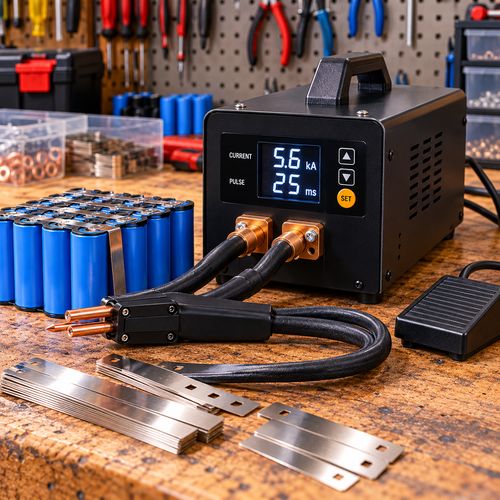
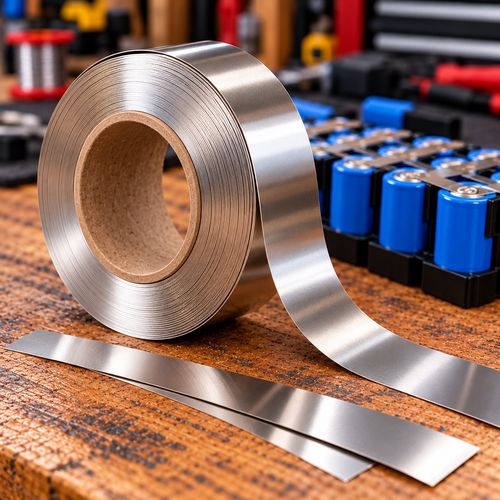
- Nickel strips: spot-welded to the cell ends to connect them.
- Protection board (BMS): on many packs, it monitors the cells and can switch the pack off. Some systems put part of the protection in the tool or charger instead.
- Case, terminals and fuel gauge: the parts you see and touch.
2. When a rebuild can make sense
- The pack is out of warranty.
- The case, terminals and board are in good condition.
- The fault is worn-out cells, not a damaged board or a crash or water damage.
- You have the right gear and skills, or you're using a reputable repairer.
- The cost of quality cells is clearly less than a genuine replacement pack.
3. When it doesn't
- The pack is swollen, burnt, leaking, crushed or has been in water.
- The pack is still under warranty. Opening it usually voids the warranty.
- A genuine replacement costs only a little more than the parts.
- You'd have to solder directly to the cells. Heat from a soldering iron can damage cells, which is why packs are spot-welded.
4. Choosing cells
- Use new cells of the same chemistry, size and suitable current rating for the tool.
- Use cells of the same model and batch so they stay matched.
- Buy from a reputable supplier. Counterfeit and rewrapped cells are common, and their real capacity and current rating can be far lower than the label.
- Don't mix old and new cells in one pack.
5. Checks after any rebuild
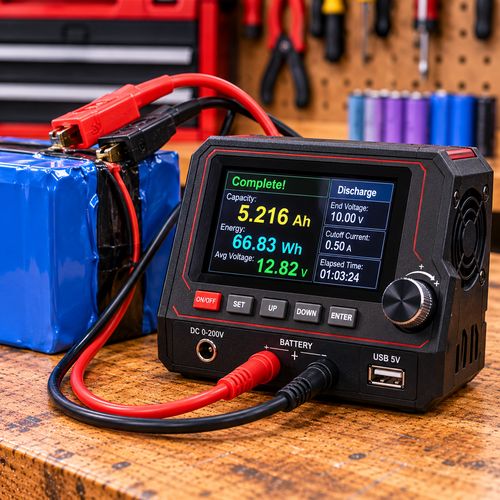
- Check each cell group voltage is close to the others before closing the case.
- Charge the first time on a non-flammable surface, nearby and watched.
- Check it doesn't get unusually hot on the charger or under load.
Safety: lithium-ion cells can short, overheat and catch fire if they're damaged or wired wrongly. If you're not sure, recycle the pack and buy a genuine replacement. A rebuilt pack is your responsibility, not the tool maker's.
Handy gear
As an Amazon Associate I earn from qualifying purchases. Prices and availability are shown on Amazon.